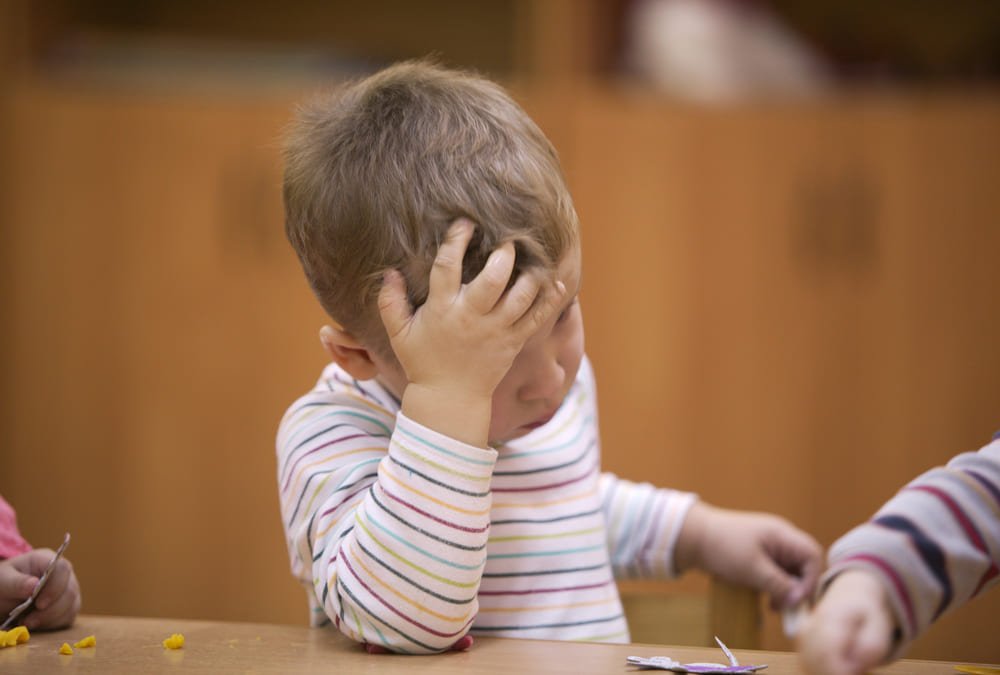
There was a moment during our first game of Karak where I genuinely thought the table was going over.
Elliot, my eldest, had spotted a piece of equipment a couple of tiles away and had, in his head, already picked it up. You could see him planning around it. Then Julian’s turn came first, and Julian — with the timing that only a younger brother can manage — took it. What followed was the specific full-body outrage of a child who has been wronged by the universe itself. Fists clenched. That trembling lower lip. The dangerous silence before the storm.
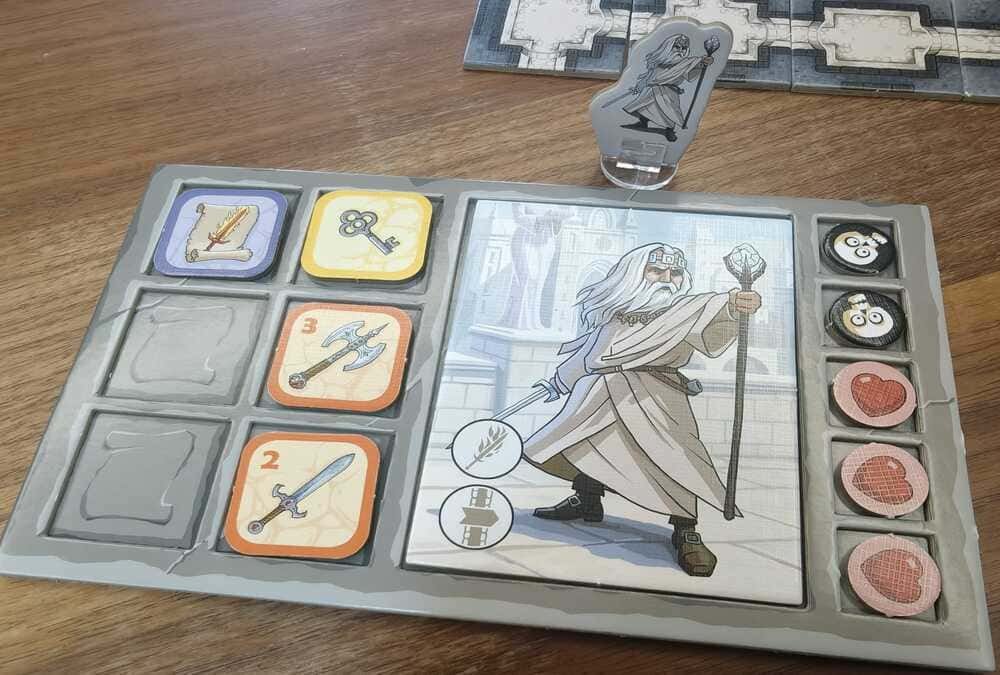
The table survived. So did Julian. And ten minutes later Elliot had looted something better and forgotten the whole thing ever happened. But that ten-second window — the clenched fists, the “it’s not FAIR” building behind the teeth — is the exact thing every parent dreads about game night, and the reason a lot of families quietly stop playing.
Here’s the thing I’ve learned, and I’ve learned it less as a dad than as a PE teacher: losing well is not a personality trait. It’s a skill. And like any skill, kids are terrible at it right up until you teach them.
Why losing hits kids so hard
It helps to understand what’s actually happening, because it’s easy to read a meltdown as bad behaviour when it’s usually something closer to a system overload.
A young child losing a game they cared about is dealing with a genuinely big feeling and a brain that hasn’t finished building the machinery to manage it. The part that handles impulse control and regulating emotion — the prefrontal cortex, is one of the last to mature, and the early primary-school years are exactly when it’s under heavy construction.
That’s not a flaw. It’s the age the skill is supposed to be getting built, which is precisely why your coaching at the table actually matters. But in the heat of the moment, they’ve got the full force of the emotion and only a fraction of the brakes. It’s not that they won’t calm down. Right then, they largely can’t.
I see the same thing every week on a field. A kid whose team just conceded a goal doesn’t need a lecture about sportsmanship delivered mid-sob. Their system is flooded. The lecture bounces straight off. What they need first is to come down, and only then does anything you say actually land.
None of this is a flaw to be corrected, by the way. It’s a skill that hasn’t been built yet — and it’s built through practice, the same as any other. It’s not just me who treats it that way, either. In our primary schools here, PAL — the Programme for Active Learning — uses games and play partly for exactly this: taking turns, playing fair, and learning to lose without the whole thing falling apart. The system builds it in on purpose, because nobody is born knowing how to do it.
So most of what follows isn’t about the moment of the meltdown. It’s about everything around it.
Don’t let winning be the only good part
The deepest fix is also the slowest, and it starts long before anyone loses: make sure winning isn’t the only thing worth doing.
If the entire emotional payoff of a game is stacked on the final result, then losing wipes out the whole evening, and of course a kid melts down — from where they’re sitting, the last two hours just got deleted. But if the good bits are scattered all through the game, the ending carries less weight.
This is why I bang on about Karak making stories. The best moments of that night weren’t in the scoring. They were Julian scheming to wall everyone off with tunnels, the dragon refusing to appear until the very last tile, all of us taking turns flinging ourselves at it. Nobody remembers final scores a week later. They remember the funny, dramatic, ridiculous moments. If you actively celebrate those — out loud, in the moment — you’re quietly teaching your kids that the point was never only the winning.
Narrate your own losing
Kids learn how to lose by watching how you lose. Which is inconvenient, because it means you have to actually model it.
So when your character gets flattened, say it out loud, lightly. “Ah, well — the dragon got me. Fair enough, I did charge in like an idiot.” When a kid beats you, be visibly fine about it. Better than fine — be a good sport at them, loudly. “That was a brilliant move, I didn’t see it coming at all.” You’re showing them the script for the thing they don’t yet know how to do: lose, acknowledge it, stay warm, move on.
And the reverse matters just as much. Don’t be a monster when you win. If your victory involves a lap of honour, you’ve just taught them that winning means gloating — and then acted surprised when the meltdown arrives from the other end of the table.
Name the feeling instead of fixing it
In the actual moment — fists clenched, storm incoming — the instinct is to talk them out of it. “It’s only a game.” “Don’t be silly, it doesn’t matter.” It never works, and if you think about it, it’s a slightly odd thing to say to someone who’s upset: your feeling is wrong, please stop having it.
There’s a reason “it’s only a game” never works, and it’s not just stubbornness. A six-year-old is a concrete thinker — a stage the psychologist Jean Piaget called concrete operational — so an abstract reframe like “it doesn’t really matter in the long run” has nothing to grab onto. The feeling in front of them is concrete and enormous. So meet it there instead. “You really wanted that sword, and Julian got it first. That’s so annoying.” You’re not agreeing to overturn the rules. You’re telling them the feeling makes sense — and a child who feels understood comes down off the ceiling far faster than one who’s being argued with. Half the intensity of a meltdown is the fight to be taken seriously. Take them seriously and a lot of the fuel goes out of it.
Then give it a second. Don’t rush them to be okay. The recovery is the actual lesson, and it takes as long as it takes.
Let them feel it — just not throw it
There’s a line here that I think matters, and it’s one I hold on the field too. The feeling is always allowed. The behaviour isn’t always allowed.
Elliot was completely entitled to be furious that Julian took his equipment. He was not entitled to flip the table onto everyone else. Those are two different things, and keeping them separate is the whole game: you’re allowed to be as upset as you like — you’re not allowed to wreck it for everyone else. Not “don’t be angry.” Just “not like that.”
Kids can hold that distinction younger than we give them credit for. Being angry is fine. Being unkind about it isn’t. And when they manage the feeling without the fallout — even barely, even with a wobble — that’s the moment to notice it out loud, because that’s the actual win, far more than anything that happened on the board.
The unfinished-game trick
One practical thing that heads off more meltdowns than anything else: stop while it’s still fun.
A lot of blow-ups don’t come from losing. They come from a game that dragged on twenty minutes past everyone’s limit, until the whole table is tired and raw and the smallest setback tips someone over. If you can feel the mood curdling, call it. End on a high, even mid-game. A child who leaves the table still wanting more is a child in a good mood, and a good mood is the best defence against the next loss there is.
This is where a long game like Karak needs watching. It’s brilliant, but two and a half hours is a long time to hold it together when you’re six, and the meltdown risk climbs with every extra turn. Know when to fold the dungeon up.
The short version
Losing well is a skill, not a temperament, and kids are bad at it until it’s taught. Understand that the meltdown is a flooded system, not defiance. Spread the fun through the whole game so the result isn’t the only thing that matters. Model losing gracefully yourself, and don’t gloat when you win. In the moment, name the feeling rather than arguing with it. Allow the emotion but hold the line on the behaviour. And quit while everyone’s still enjoying it.
Elliot, for what it’s worth, is getting better at this. Not fixed — he’s a kid, losing still stings. But the gap between the setback and the recovery gets a little shorter every time. That gap closing is the whole thing. That’s what we’re actually teaching at game night, hiding underneath the dragons and the dice.
Keep reading
- How to Teach Your Child a New Board Game — the other half of a smooth game night.
- Karak Review — the game that started the table-flip.
- 7 Best Cooperative Board Games for Kids — for when you want nobody to lose at all.
- 10 Best Board Games for Family Game Night — the all-rounders.
Pingback: Where to Buy Board Games in Singapore (A Parent's Honest Guide) — Screen Free Playtime