If getting kids off screens always ends the same way — whining, wandering, then asking for screens again — the problem usually is not the screen itself.
It is the lack of a system after it.
Reducing screen time by simply removing the device is never helpful. Kids end up bored, restless, and looking for the fastest source of stimulation again. You need to replace it.
Not just any random activity. You need a system and a routine that works.
The 30-Minute System
Use the same 3-step flow each time:
Move → Play → Calm
That is it. It is predictable and builds a routine in our kids.
1. Move (10 minutes)
Start with movement to break the “screen mode”.
Try:
- obstacle course
- balloon games
- quick races
- floor is lava
This helps release energy and makes the next activity easier.
2. Play (10–15 minutes)
Next, switch to something engaging but simple.
Try:
- card games
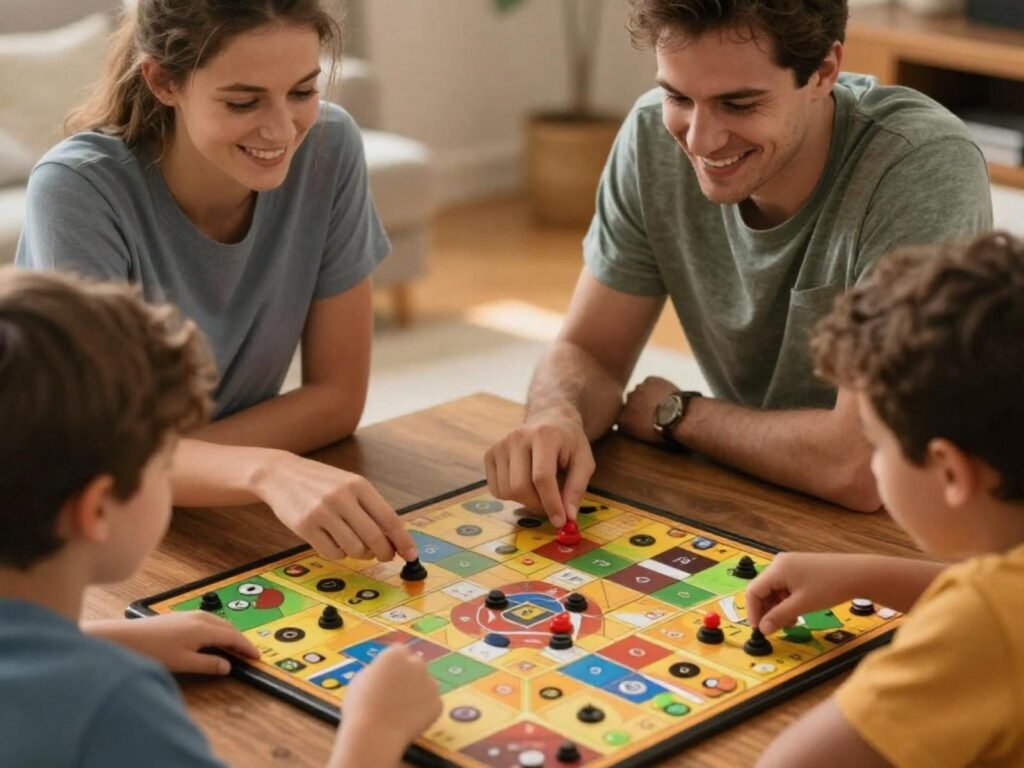
- quick board games
- puzzles
- memory games
This is the part that gives connection, focus, and fun without going back to a device.
Need something quick to start?
→ 5-Minute Activities That Buy You 20 Minutes of Peace
3. Calm (5–10 minutes)
Finish with a quieter activity.
Try:
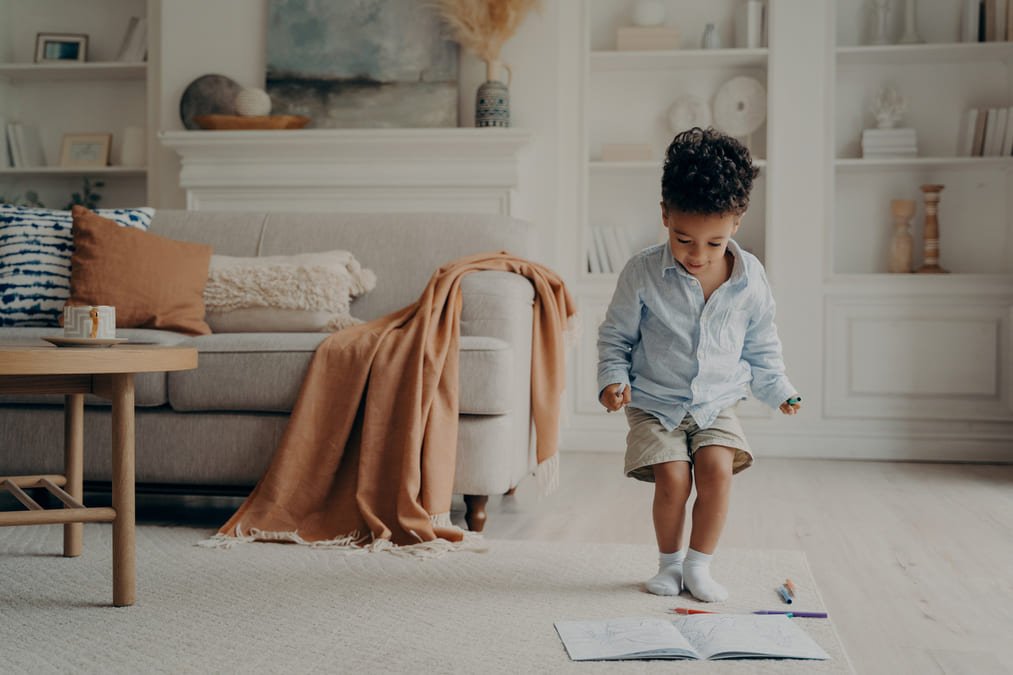
- drawing
- reading
- LEGO
- simple crafts
This helps your child settle instead of bouncing back to screens
Why This Routine Works
A good screen-free routine does two things:
First, it removes uncertainty. Kids know what comes next.
Second, it reduces friction. You are no longer inventing new ideas every day.
That is what makes it sustainable for parents too.
A Simple Real-Life Example
Just the other day, Benny ran this with our own kids.
We started with movement — a modified “pickle badminton” at home (think pickleball paddle with a badminton shuttlecock). Fast, messy, fun.
Then we shifted into play — a quick round of dodgeball in the living room. My oldest son told me that was his most enjoyable part of the day when we got ready for bed.
Finally, we slowed things down.
I got them to sit beside me, and we read a simplified version of Count Dracula.
Lights slightly dimmed, voices lowered — just enough to send a few chills down their spine.
It was a smooth flow from energy → engagement → calm.
The Most Important Rule
Keep the structure the same.
You can change the activity, but keep the order:
Move → Play → Calm
Over time, the routine itself becomes the cue. Kids resist less when the pattern feels familiar.
And before screen time ends, give a simple heads-up:
“5 more minutes, then we do our routine.”
That one line helps make the transition smoother and sets the expectation clearly.
When parents ask how to reduce screen time without daily battles, this is usually the answer: not more ideas, but a better system.
A short, repeatable routine is often what works best.
And if your child still says “I’m bored” after this routine, start here:
→ What to Do When Kids Say “I’m Bored” (Without Using Screens)

Pingback: Rainy Afternoon Survival Guide (When Nothing Is Working) – Screen Free Playtime
Pingback: 5 Benefits of Screen-Free Play for Child Development - Screen Free Playtime
Pingback: The Complete Guide to Screen Time Limits for Kids by Age (Below 10 years old) - Screen Free Playtime